
Accountability for Grave Violations. Justice That Endures.
Transitional justice is a central part of Cristosal’s work in Central America. We accompany victims of grave human rights violations as they seek truth, accountability, reparations, and assurances that these crimes will not happen again.
Each case contributes to establishing the historical record — ensuring that past abuses are documented, acknowledged, and not forgotten.
This work connects legal accountability with the preservation of truth, helping societies confront past violence and strengthen protections against future abuses.
Why Transitional Justice Matters
Transitional justice responds to large-scale human rights violations committed against civilian populations. It seeks:
- Truth-telling
- Legal accountability
- Commemoration and historical memory
- Reparations for victims
- Guarantees of non-repetition
When judicial systems cannot hold every perpetrator accountable, accountability still matters. Recognition still matters. Memory still matters.
Our Victim-Led Approach
We center the experience and rights of victims and survivors in every case.
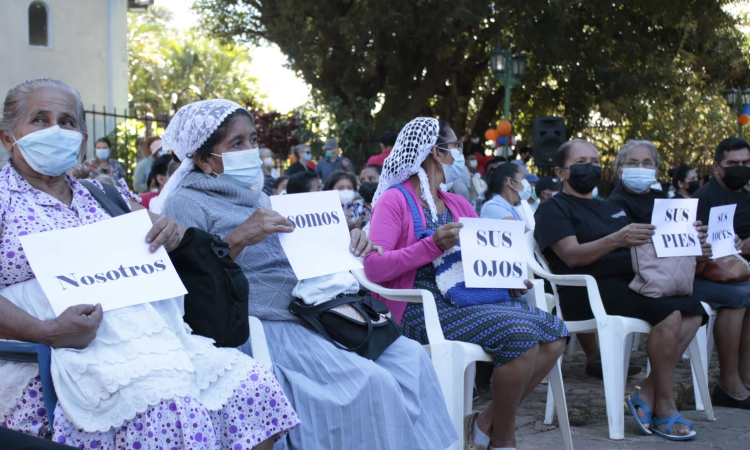
We work alongside communities that have been seeking justice for decades. Survivors participate in proceedings, contribute evidence, and shape how their stories are documented and remembered. Legal representation is paired with documentation, public advocacy, and long-term accompaniment.
Cases We’re Representing
Under the Salvadoran legal system, we litigate alongside the public prosecutor’s office. Through sustained legal action, we seek accountability for massacres, enforced disappearance, and other grave violations committed during the armed conflict. Our objective is to establish legal precedent, secure recognition of harm, and prevent repetition.
El Mozote
Cristosal represents 99 family members of victims seeking justice for their loved ones as well as the Human Rights Association of El Mozote in the case of the El Mozote massacre. Thirty-four military officials face charges related to the planning and carrying out of the killings of over 1000 civilians in 1981. During the pretrial proceedings, our team presented an immense body of evidence, including testimonies, exhumation records, intelligence reports, and more. Despite initial movement, the case has been stalled and hearings have been repeatedly delayed. Following a decree from President Bukele in 2022, which changed the retirement age for judges to 60, Judge Jorge Guzman–who had been overseeing the case for years–was forced to step down. We are waiting for the new judge to formally accept the evidence and rule to send the accused to trial. Despite the ongoing delays, the case has established an undeniable factual record — one the state can no longer ignore.
El Calabozo
Cristosal represents 49 victims and their families in the El Calabozo Massacre case. Six high-level military officials face charges related to the planning and execution of the killings of over 200 civilians in San Vicente in 1982. Following years of denial from the Salvadoran state that the massacre occurred, Cristosal pressured local authorities to allow exhumations at the massacre site and gathered hours of testimonies from survivors and family members of the victims. Still in the pretrial proceedings–where we are presenting evidence to be admitted by the judge–the case currently has not yet been sent to trial.
San Andrés
Cristosal represents three families in the forced disappearance case of San Andres. Four former death squad members face charges for the forced disappearance and torture of five people from San Andres in San Miguel in 1981. They have also been accused of crimes against humanity. After the presentation of evidence, the court ruled to send the four ex-military officers to trial. The hearing to officially set the date of the trial has been suspended five times. As of now, no new date has been set. As the first death squad case in the Salvadoran courts, litigation sets a precedent for many other cases of human rights violations committed by death squads during El Salvador’s civil war.
Forced Disappearance Case – Guzmán Family
Cristosal represents Gloria Guzmán as she seeks justice for her three family members who Salvadoran armed forces disappeared during the war. Three military officers face charges as the intellectual authors of these disappearances. Our team has started to present evidence in the pretrial proceedings, but the hearings have been postponed. After years of searching for her family members, Gloria sought out Cristosal for help on her case. With our help, she hopes for justice after all these years. Gloria’s case is one of thousands of cases of disappearances that occurred during the war – a guilty verdict would set an important precedent in El Salvador.
Justice Beyond the Courtroom
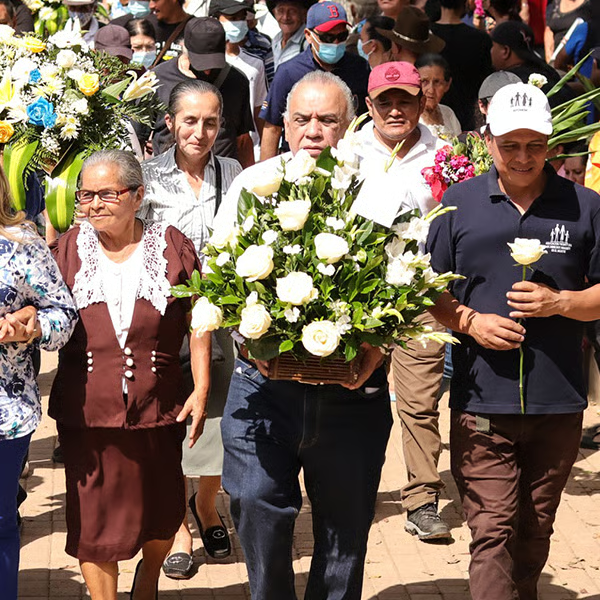
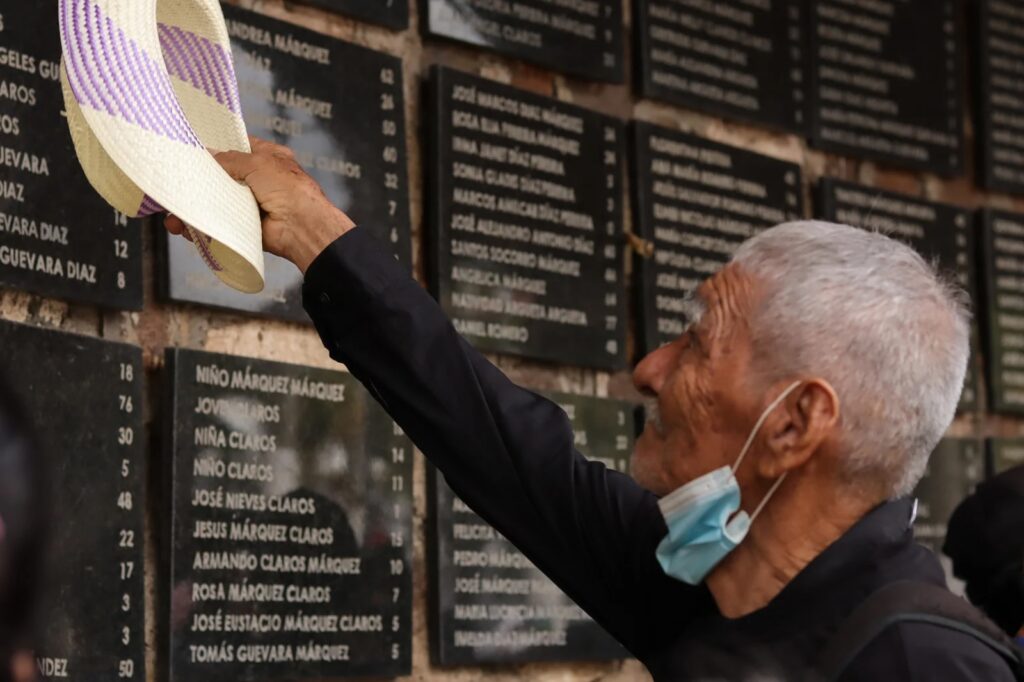
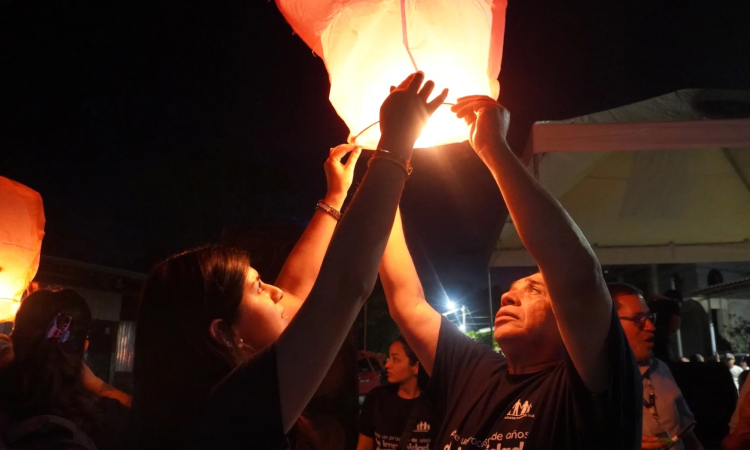
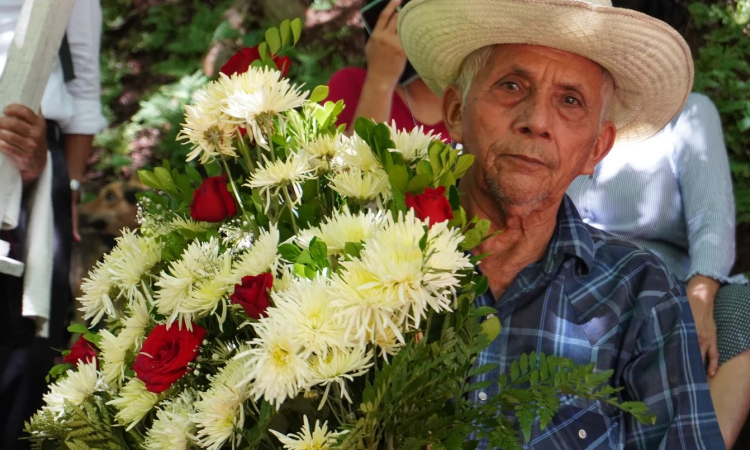
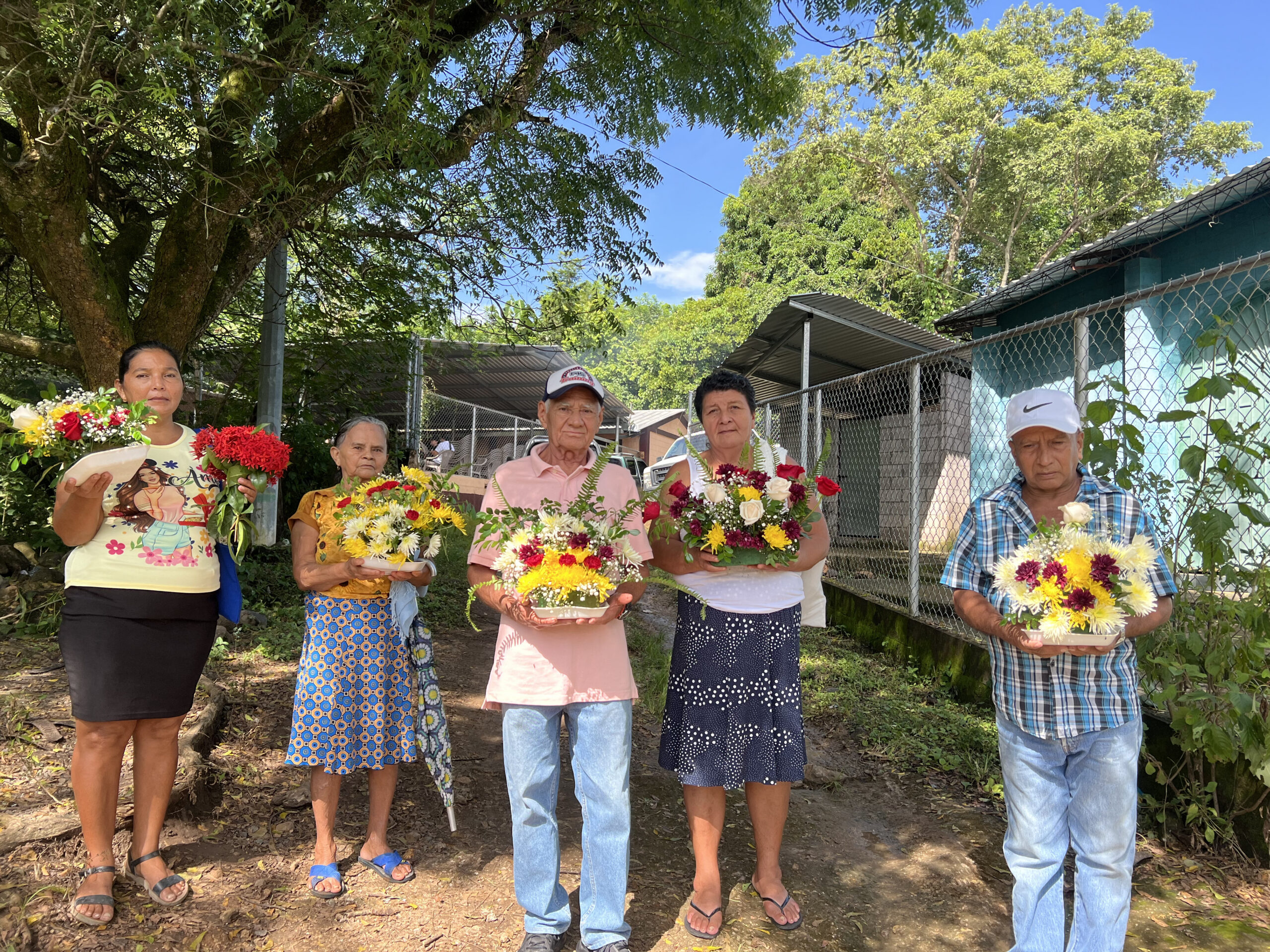
Every year, communities gather to honor those killed in the massacres. They carry flowers. They share testimony. They pass stories to younger generations.
Survivors like María Lidia and José Armando continue to demand accountability decades after the crimes occurred. Their testimony keeps historical memory alive and reinforces the principle that these violations cannot be erased.
Accountability is Ongoing.
Accountability efforts did not end with the armed conflict. Under the current state of exception in Honduras and El Salvador, Cristosal continues to document patterns of serious human rights violations and pursue legal strategies that confront abuses directly.
Sustained legal action, documentation, and public advocacy remain essential to ensuring that grave violations are acknowledged and not repeated.