Ensuring Human Rights Violations Are Seen and Heard
Human rights violations are sustained through silence, distortion, and fear. Visibility brings accountability.
Cristosal brings human rights violations into public view and keeps the defense of rights visible so they are documented, understood, and remembered. Victims and communities help us understand the human impact of abuses in ways data alone cannot capture.
Authoritarian actors often rely on silence, intimidation, and distorted stories to justify abuse. By connecting rigorous investigation with clear public narratives, Cristosal brings violations into public view and keeps the defense of rights visible.
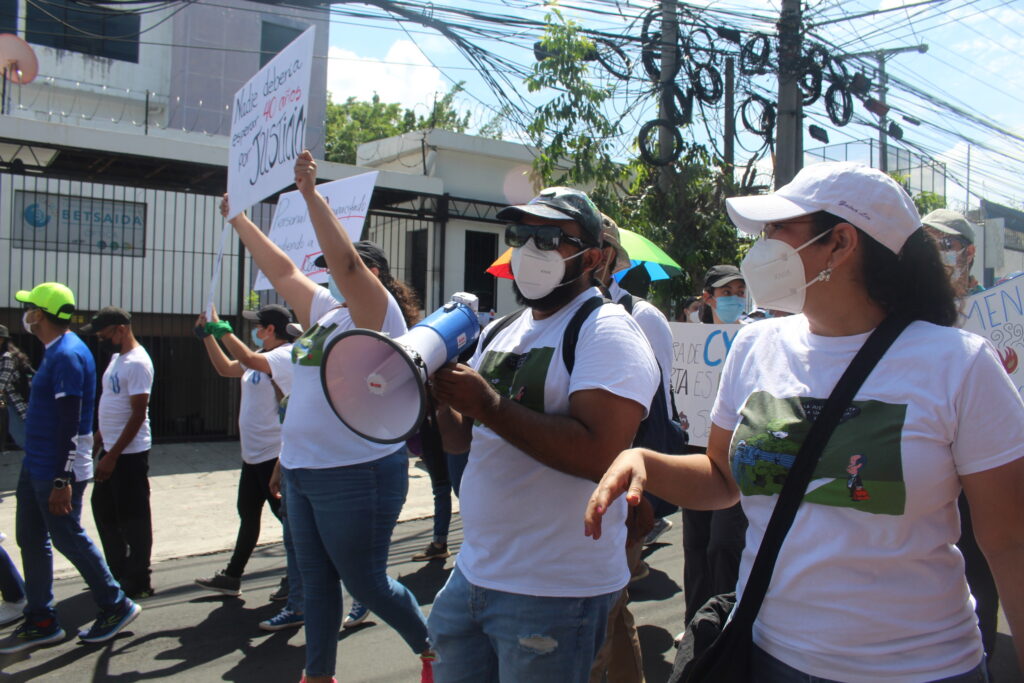
How Voice Is Protected and Amplified
Understanding Audiences
Defending human rights requires understanding how people interpret events, evidence, and public debate. Human rights research and investigation establish the factual record of violations, while public storytelling helps ensure that this evidence reaches broader audiences.
Evidence, lived experience, and testimony help the public understand what is happening and why it matters. Survivor voices, family experiences, and the perspectives of human rights defenders reveal the human consequences behind documented abuses and connect the factual record to the realities people face.
Making Sense of Patterns
Human rights violations rarely occur in isolation. Authoritarian systems persist when patterns of abuse go unrecognized, history is denied, violence becomes normalized, and institutions meant to uphold the law are weakened or captured.
Connecting evidence, survivor testimony, and historical context helps reveal how these patterns operate over time. Clear public explanations make it harder for abuses to be hidden, minimized, or justified, and help communities and institutions recognize the broader systems behind individual violations.
From Evidence to Public Accountability
For documented evidence to matter, it must reach the public. Research findings, testimony, and investigative documentation move into civic space through reporting, storytelling, and public communication.
As these findings circulate through media, civil society networks, research communities, and international audiences, they help ensure that violations remain visible and that survivors’ experiences are recognized. In this way, documentation and public communication reinforce one another, helping keep the defense of human rights present in public life.
Impact Stories
Ruth López: A Life Committed to Human Rights and Transparency
“You Have Arrived in Hell”: Torture and Other Abuses Against Venezuelans at El Salvador’s Center for Terrorism Confinement
More Reports and Publications
Each story gives a human face to documented violations and reinforces the public record.
resources
Report a Human Rights Violation
If you or someone you know has experienced a human rights violation in El Salvador, Guatemala, or Honduras, you can share information with us through the forms below.
Each submission is carefully reviewed and may inform documentation, advocacy, or potential legal action. Submitting a case does not guarantee representation, but it helps us assess how we may respond and record abuses in the region.